

Understanding Gross Vehicle Weight Rating
David J. Muñoz | March 25, 2026 | Truck Accidents
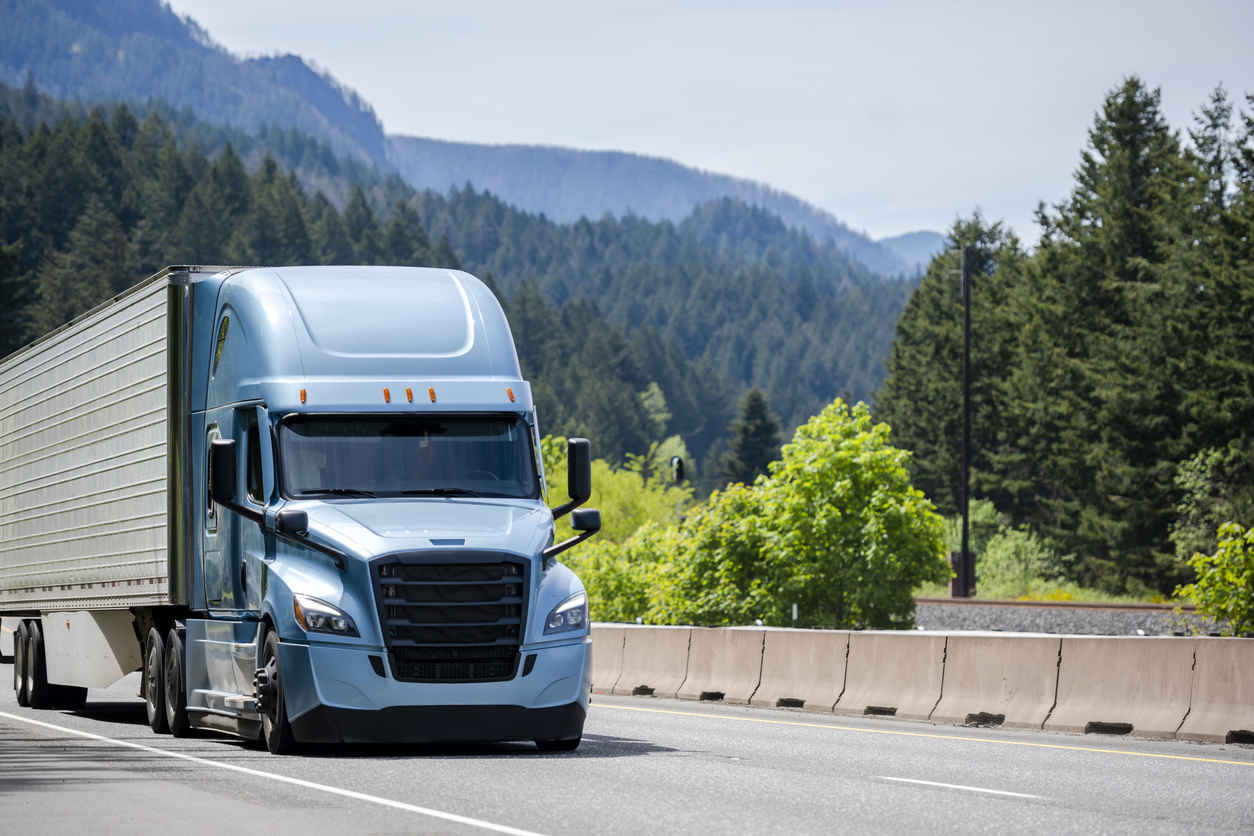
The details that determine liability after an accident involving a heavy vehicle are not always obvious. One frequently overlooked factor is the Gross Vehicle Weight Rating (GVWR). This specification can influence how a vehicle performs, whether safety regulations were violated, and who may be responsible for an accident.
What is GVWR?
Gross Vehicle Weight Rating (GVWR) is the maximum total weight a vehicle is designed to safely carry under normal operating conditions.
GVWR is a strict safety limit and includes:
- The vehicle’s base or curb weight
- Passengers inside the vehicle
- Fuel and fluids
- Cargo and equipment
- Aftermarket additions or modifications
Exceeding GVWR strains a vehicle’s critical parts. GVWR, not actual weight, is the maximum safe limit and should not be exceeded.
How Do I Find a Vehicle’s GVWR?
Identifying a vehicle’s GVWR is a critical first step in accident investigations. Fortunately, this information is typically easy to locate and verify.
GVWR can usually be found in the following places:
- The manufacturer’s label inside the driver-side door or door frame
- The vehicle owner’s manual
- Manufacturer specifications or online databases
- Inspection or maintenance records
GVWR provides a reliable benchmark for determining whether a vehicle was overloaded at the time of a crash.
Why Does GVWR Matter for Safety?
GVWR ensures a vehicle can safely handle expected loads.
Exceeding it compromises safety and causes several issues:
- Increased stopping distance due to added momentum
- Brake system overheating or failure
- Reduced steering control and stability
- Tire stress leading to blowouts
- Suspension strain and potential mechanical failure
These risks contribute to truck accidents in San Diego. Even a slight overload can affect how a vehicle handles at highway speeds or during emergencies.
When is a Special License Required?
GVWR can affect whether a commercial driver’s license is required. In many situations, a CDL is required for a single vehicle with a GVWR of 26,001 pounds or more, or for certain vehicle combinations with a GCWR of 26,001 pounds or more, depending on the weight of the towed vehicle. California also distinguishes between Class A and Class B commercial licenses.
These licensing requirements are intended to ensure that drivers operating heavier vehicles have the necessary training and experience. CDL holders in California must meet strict standards and comply with state and federal regulations.
How Might Exceeding GVWR Affect Liability After an Accident?
Liability often extends beyond the driver when GVWR limits are exceeded. The circumstances surrounding how and why a vehicle was overloaded are critical to determining fault.
Multiple parties may share responsibility depending on the situation:
- The driver, for knowingly operating an unsafe vehicle
- The employer or trucking company, for improper policies or supervision
- Third-party loaders responsible for cargo distribution
- Vehicle owners who failed to ensure safe operation
Overloading can constitute negligence when it violates safety regulations.
Evidence in GVWR-Related Cases
Building a strong claim requires gathering and preserving technical evidence that may not be immediately accessible. Much of this information is controlled by the trucking company or other involved parties, making early investigation essential.
Common sources of evidence include:
- Manufacturer specifications and vehicle labels
- Cargo manifests and bills of lading
- Weigh station and scale records
- Electronic logging devices (ELDs)
- Maintenance and inspection reports
- Expert accident reconstruction analysis
This evidence can reveal whether a vehicle was overloaded and whether that condition contributed directly to the accident.
Contact the San Diego Truck Accident Attorneys at Mission Personal Injury Lawyers for Help Today
GVWR can be a key issue in California truck accident cases because it affects vehicle safety, regulatory compliance, and potential liability. When a truck exceeds its weight limits, that overload may contribute to brake problems, tire failure, reduced control, and other dangerous conditions. Evidence such as vehicle labels, cargo records, maintenance documents, and scale data can help show whether overloading played a role in the crash.
If you or a loved one was injured in a collision involving a heavy vehicle, Mission Personal Injury Lawyers can investigate the circumstances of the accident and work to identify all potentially responsible parties. Contact an experienced San Diego truck accident lawyer today for a free consultation.
We proudly serve San Diego County and throughout California.
Mission Personal Injury Lawyers – San Diego Office
3666 Fourth Ave, San Diego, CA 92103
(619) 777-5555

Mission Personal Injury Lawyers – Chula Vista Office
690 Otay Lakes Rd #130, Chula Vista, CA 91910
(619) 722-3032
We also serve the state of Texas. For legal assistance, contact our personal injury law office in El Paso today.
Mission Personal Injury Lawyers – El Paso Office
201 E Main Suite 106, El Paso, Texas 79901
(915) 591-1000